
Your Partner in Teen Mental Health
Muir Wood is a California-based residential and IOP program for adolescents ages 12–17. We serve as a focused stabilization resource within the broader continuum — not a replacement for the ongoing therapeutic work you’ve invested in, but a structured support that steps in when intensity rises and helps teens return to your care more regulated, grounded, and ready to re-engage.
Insurances We Accept
We work with most major commercial insurance carriers. We do not accept Medi-Cal or Medicaid. If you’re unsure whether your client’s coverage applies, our admissions team can verify benefits quickly — usually within one business day.
In-Network With Most Commercial Insurers









*Please note that at this time, we are not in network with Medicaid/Medi-Cal
Specialized Adolescent Treatment, Built on More Than a Decade of Clinical Partnership
Muir Wood was founded in 2013 with a single focus: adolescent mental health and substance use treatment done well. What that has always required — and what we’ve spent over a decade building — is a program that understands its place in the broader care continuum. We’re not here to compete with the therapeutic relationships you’ve built. We’re here to protect them.
We are Joint Commission accredited, operating across three California regions, and treating teens ages 12–17 with complex co-occurring conditions: mental health disorders, trauma, and substance use — understood as interconnected, not siloed by authorization type.
Our two levels of care are Residential Treatment (RTC), with 17 campuses across California, and Intensive Outpatient Programming (IOP), available for structured step-down or direct admission. In both settings, collaboration with referring providers is not an add-on — it’s built into how we work.
Is Muir Wood the Right Fit for Your Client?
We’re not a first-stop intervention. By the time a teen reaches us, there’s typically a care history — outpatient therapy, medication management, sometimes IOP or PHP — and a recognition from you and the family that the current level of support isn’t holding. That’s the gap we’re built to fill, temporarily and intentionally, so that the longer arc of care can continue.
Clinical Specializations
- Complex co-occurring mental health and substance use disorders
- Trauma and PTSD, including complex developmental trauma
- Emotional dysregulation, self-harm, and suicidal ideation not requiring inpatient hospitalization
- Depression, anxiety, OCD, and mood disorders
- School avoidance and social withdrawal
- ADHD and neurodevelopmental presentations where the teen can safely participate in a group-based residential setting
When Residential May Be the Right Level of Care
Consider a residential referral when the clinical picture includes:
- Repeated crisis episodes or ED/inpatient presentations without lasting stabilization
- Ongoing outpatient or IOP treatment that is not producing meaningful progress despite appropriate engagement
- A family system under significant strain that is affecting the teen’s capacity to stabilize
- A presentation that requires 24/7 therapeutic structure, consistent environmental support, and removal from triggers that outpatient settings cannot control
Exclusion Criteria
We’re a subacute setting. In the interest of transparency — and your time — Muir Wood is generally not the right fit when:
- A teen requires formal medical detox with 24/7 nursing supervision. We can support some medication-assisted treatment orally, including Suboxone.
- There is an active gang affiliation, a primary conduct disorder presentation, or purposeful behavioral disruption that would compromise the safety of the therapeutic community.
That said, clinical fit isn’t always clear from a description. We’d rather have the conversation than have you rule out a client who might be appropriate. Call us.
Talk to Admissions
We Work With You — Before, During, and After
The frustration we hear most from referring professionals — therapists, IOP teams, social workers, school counselors — isn’t about clinical quality. It’s about what happens to the relationship after the referral. A client gets placed. Communication stops. Medications change without notice. By the time the teen steps down, the therapeutic relationship has frayed and the handoff is harder than it needed to be.
We’ve built our model specifically to prevent that. Our commitment to referring providers is straightforward:. The work you’ve done with them belongs to the broader arc of their care, and our job is to support it — not redirect it.
From the First Call
Our outreach team is available for clinical consultation before any referral decision is made. If you’re thinking through a client and want to talk through fit, appropriate level of care, or what to tell the family, that’s a conversation we’d like to have with you. We respond quickly because we know that when acuity is rising, timing matters.
During Treatment
From the day of admission, we coordinate with referring providers who want to stay involved. That means proactive communication, shared clinical context, and a clear commitment not to make changes — to medications, referrals, or clinical direction — that might undermine the work you’ve already built- without discussing with you directly. Your relationship with your client is something we actively protect.
Toward Discharge
Step-down planning begins early in treatment — not in the final week. We coordinate transitions collaboratively, with advance notice as readiness for step-down approaches, shared clinical insights to inform next steps, and warm handoffs to IOP, PHP, outpatient, or school-based support. Post-discharge referrals are not made without your awareness or against your existing relationship with the client.
Continuum of Care
We believe strong outcomes depend on continuity and collaboration. From admission through discharge, we coordinate closely with your client’s existing providers and aftercare programs — whether that’s our own IOP or another trusted outpatient partner. Our team stays in regular communication with the broader care network to support timely transitions, shared understanding, and a clear path forward.
What You Can Expect From Us
- Proactive communication throughout your client’s stay — not just at intake and discharge
- Early notice as readiness for step-down approaches, so you can prepare
- A clear, coordinated handoff with relevant clinical context and family orientation
- Warm transitions that support families and reduce disruption
A shared commitment to continuity — your work with this client doesn’t stop when they come to us
What Professionals Say About Muir Wood
“If you are seeking high-quality, evidence-based treatment for your teen, Muir Wood Teen in Riverside stands out as one of the most respected programs available. Their experienced clinical team and comprehensive approach set a very high standard for adolescent care. As a referral partner, there is nobody I trust more with our patients.”
Aaron Mostin, MA/AMFT, Program Director at Clear Behavioral Health, Torrance, California
“Our team at ResWell Health has worked closely with Muir Wood for several years, and we consistently hold them in the highest regard. We are grateful for this partnership and confidently recommend this program to providers and families seeking compassionate, high-quality intensive support for kids and teens.”
Michelle Banzet, Vice President of Community Impact and Development at ResWell Health, Pasadena, California
“As a professional in the field, I appreciate the quality of care Muir Wood offers. They have always been a great resource in our community.”
Scott Kalland, Senior Clinical Outreach Representative at AMFM Healthcare, San Diego, California
“As the co-founder of Oakwood Family Institute, an outpatient treatment center for teens and young adults, I coordinate care with many residential treatment centers and occasionally have the need to refer high-risk clients. We do not hesitate to refer our clients and community members to Muir Wood because we have seen first hand the caliber of treatment, quality of clinicians and the commitment and care of their leadership team. Highly recommend!”
Lisa Dalton, Co-Founder of Oakwood Family Institute, Pasadena, California

Clinical Rigor, Human-Centered Care
We understand that referring a client is an act of professional trust. At Muir Wood, that trust is built on a single foundational premise: lasting progress comes from treating the whole teen, not an isolated diagnosis. When mental health, substance use, family dynamics, and developmental needs are addressed together, by a team that coordinates around the full picture, teens leave treatment with more than symptom reduction. They leave with a foundation. Here’s a direct look at how our program makes that possible.
An Integrated Multidisciplinary Team
Every teen at Muir Wood is supported by a coordinated team that meets daily: board-certified adolescent psychiatrists, licensed therapists, nurses, recovery counselors, and academic staff. Clinical decisions are made collectively, in real time, with full awareness of each teen’s presentation across every part of their day — not in siloed sessions.
Our small caseload model means clinicians genuinely know the teens they’re working with. Recovery doesn’t happen only in scheduled hours. Our team is present in the spaces between.
Evidence-Based, Trauma-Informed from the Ground Up
Our clinical approach draws on CBT, DBT, and a range of trauma-informed modalities. More fundamentally, we operate from the premise that all behaviors exist for a reason. What presents as defiance, shutdown, or escalation is understood as an adaptive response — often to pain, instability, or unmet developmental need. That lens shapes how every member of our team engages with each teen, clinical and non-clinical alike.
Family systems work is woven throughout treatment — not added at discharge. We are in regular contact with caregivers from the first week, because the family is part of the clinical picture.
On Co-Occurring Disorders
The industry has long divided mental health and substance use into separate treatment tracks. We don’t. Most adolescents presenting at this level of acuity aren’t struggling with one thing — their substance use, self-harm, or dysregulation is typically rooted in underlying mental health disturbance. We believe treating both as expressions of the same picture is more clinically accurate, and it produces better outcomes.
Our integrated model means both are treated together, by the same team, without internal handoffs.
Levels of Care
- Residential Treatment (RTC): 24/7 structured therapeutic environment across 17 campuses in three California regions
- Intensive Outpatient Program (IOP): Structured programming for step-down or direct admission, offered in Central California, with one center in Petaluma and the other in Clovis.
Programs & Locations
With beautiful campuses across California, we offer residential treatment and intensive outpatient programs in Petaluma and Penngrove in Sonoma County, Clovis in the Central Valley, and the historic Orange Grove District of Riverside County.

Residential Treatment
For adolescents with primary mental health and co-occurring substance use needs, days are structured around therapy, education, and restorative outdoor experiences. Evenings in supportive, home-like residences allow teens to reset and integrate what they’re learning—building consistency and trust across the entire treatment experience.

Intensive Outpatient Program (IOP)
An after-school program offered 3–4 days per week in Petaluma and Clovis for teens with primary mental health needs or dual diagnosis. Designed for those stepping down from residential treatment or stepping up from weekly outpatient therapy, it includes group therapy, weekly individual sessions, and family involvement to support stability at home, in school, and in daily life.
What We’re All Seeing — and What the Research Tells Us

Across the system, adolescents are presenting at higher acuity. You’re probably seeing it in your own practice — heightened emotional dysregulation, more frequent safety concerns, families under greater strain, more crisis episodes and urgent care visits, substance use that complicates stabilization. These aren’t isolated trends. They’re consistent patterns reflected in the clinical literature, and they shape how we think about the role of residential care within the broader continuum.
What the research consistently shows:
- Earlier residential intervention improves downstream outcomes. Most adolescents entering residential treatment have already cycled through two to four lower levels of care (Peckmezian & Farmer, 2020). More prior attempts predicted higher acuity at admission and slower stabilization. When the match between clinical need and level of care is made earlier, transitions to outpatient and IOP are smoother and treatment adherence is stronger.
- Timely stabilization supports the entire treatment pathway. When residential care is clinically appropriate and accessed before crisis patterns become entrenched, it reduces disruption and supports sustained progress across the continuum — including stronger outpatient follow-through.
- Family engagement matters — and has a window. When families enter care before burnout fully sets in, aftercare works better. Outpatient attendance is higher, follow-through is stronger, and the home environment is more stable. Supporting the family system is part of what residential care does.
- Mismatched level of care compounds the problem. When teens are held too long at a level of care that cannot meet their clinical needs, the result is crisis cycling, repeat ED presentations, and what our Chief Clinical Officer, Dr. Ian Wolds, describes as the accumulation of ‘treatment failure experiences’ — a deepening internal narrative that healing isn’t possible. That narrative becomes part of what we’re treating.
At Muir Wood, we treat that narrative too.
Our Outreach Team
Our outreach team is your professional point of contact before any referral decision is made. They’re clinically informed, regionally connected, and available for genuine case consultation — not just intake calls. If you’re thinking through a client, want to talk through level-of-care questions, arrange a campus visit, or simply want to understand how we work, we’d love to hear from you.. Building real partnerships with providers across California is what they’re here to do.
-

Stephen Swanson
-

Rachel Luce
-

Izzy Oandason
-

Lorraine Vicio
-

Priscilla Taylor
-

Grace Evans
-

Angie Nunez-Plascencia
-

Kendyll Alecock
Talk to Admissions
Our Admissions Team
When you’re ready to move forward, our admissions team takes it from there. Led by our Director of Admissions, we manage the full intake process — clinical screening, insurance verification, and coordinating a smooth, timely entry into care. We strive to be responsive, thorough, and practiced at working alongside referring providers to make transitions as seamless as possible for teens and families.
-

Maura Sangster
BS, CADC II, ICADC -

Carly E.
MS -
Jen M.
BS -
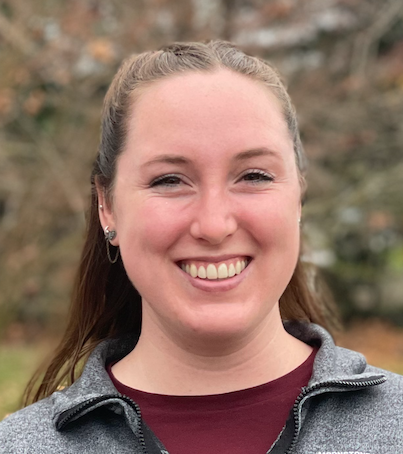
Kristy H.
BA -

McKenna W.
BA -
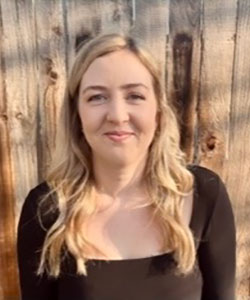
Megan M.
-

Azure H.
Contact our admissions team today.
Serving Families Across California
We operate across three regions in California, with gender-separate campuses set in natural, home-like environments.
Northern California — Sonoma County

Lohrman Campus for Girls
Mental health and substance use care for teen girls on a tranquil Petaluma property within Sonoma County, surrounded by vineyards and rolling hills.

Skillman Campus for Boys
Dual-diagnosis treatment for teen boys—mental health and substance use care on a serene Petaluma property in lovely Sonoma County.

Penngrove Campus for Girls
Penngrove is our most specialized adolescent mental health campus — a primary mental health residential program for girls ages 12–17 whose clinical picture involves significant trauma, psychiatric complexity, emotional dysregulation, or neurodivergence.

Central California — Clovis/Fresno County

Makena Campus for Girls
Teen girls receive dual-diagnosis care for mental health and substance use challenges in Clovis—a tranquil foothill setting at the gateway to California’s majestic Sierra Nevada.




Let’s Talk About Your Client
Whether you have a specific teen in mind or you’re building out your referral network, we’d welcome the conversation. Our outreach team is available for clinical consultation before any decision is made. Our admissions team is ready to move when you are.
We’re working toward the same thing you are: a teenager who gets the right support at the right time, and comes back to their life — and to your care — with more capacity than they left with.
Let’s discuss the next step in your client’s healing journey.
Frequently Asked Referral Questions
Yes. With appropriate client consent, we provide regular clinical and case management updates to referring professionals. The cadence of communication may vary based on length of stay and clinical needs, but typically includes admission confirmation, treatment plan updates, progress reports, and discharge planning collaboration.
We support teens experiencing a wide range of mental health and co-occurring substance use challenges, including depression, anxiety, trauma-related disorders, mood instability, suicidal ideation, self-harm behaviors, emotional dysregulation, and behaviors rooted in emotional distress. Many of the adolescents we serve use substances as a way to cope with underlying mental health struggles, and we are experienced in treating both simultaneously within a structured residential setting.
Most teens admitted to our program have not achieved sustained progress in outpatient, IOP, or PHP levels of care and require 24/7 therapeutic support for stabilization and safety — while not needing inpatient hospitalization.
Because we are a therapeutic, non-locked environment, teens must be able to participate safely in a structured, community-based setting. We are not able to manage youth whose primary needs involve ongoing serious or planned violent behavior, predatory actions, criminal involvement requiring containment, or a pattern of frequent elopement.
We also cannot admit teens who require medical detox or acute psychiatric hospitalization at the time of referral. However, once detox is completed or psychiatric stabilization has occurred, our team can partner with you to determine whether residential treatment at Muir Wood is an appropriate next step.
Every family begins with a thorough pre-admission assessment conducted by our admissions and clinical teams to ensure the level of care is appropriate and that each teen’s needs can be safely and effectively supported within our program.