When your teen is in crisis, the instinct to take control is overwhelming. But the research on adolescent development and attachment is clear: control is not what struggling teens need from their parents. What they need is co-regulation—a calm, grounded presence that helps them return to a state of emotional equilibrium.
What Is Co-Regulation?
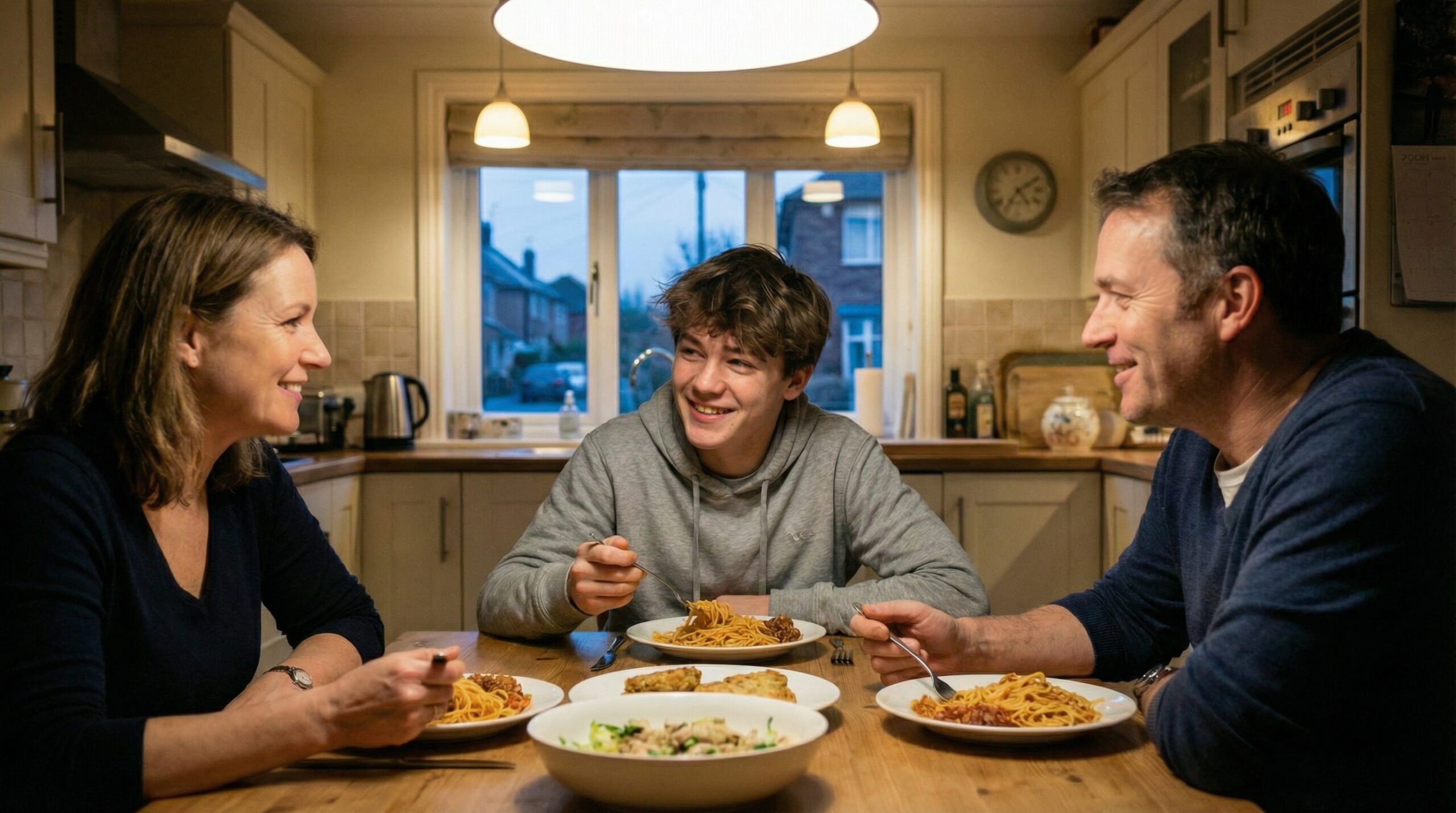
Co-regulation is the process by which a calm, grounded adult helps a dysregulated young person settle. It’s not a technique—it’s a way of being present. The concept comes from attachment theory and polyvagal research. When a teen is activated—anxious, angry, shut down—their nervous system is in a state of threat. If the parent responds with their own anxiety or attempts to control, they add fuel to the fire. If the parent responds with calm presence and genuine curiosity, the teen’s nervous system begins to settle.
“The number one job of a parent is to be a co-regulating resource for a child, especially a teenager. Adolescence is a time of chaos. What a child needs is a stable ground to come to—somebody that they know is not going to be caught up in their craziness.”
Rawly Glass, Director of Family Services
Why Control Backfires With Teenagers
By adolescence, the expectation of parental control has become impossible and counterproductive. Teens can create more risk in fifteen minutes than parents can prevent in two years. The more a parent pushes for control, the more the teen pushes back—sometimes doing things against their own self-interest just to prove they can’t be controlled. Psychologist Adam Price calls this the “paradoxical response”: the more I try to control my child, the more they resist.
What Co-Regulation Looks Like in Practice
- Stay regulated yourself. Before responding, pause. Notice your own body. If you’re activated, your teen will read it before you say a word.
- Lead with curiosity. Ask genuine questions: “What’s going on for you?” “What do you think might happen if you go down that path?” Help them explore, don’t lecture.
- Hold a soft agenda. You care about safety, learning, and wellbeing. Hold that lightly—guiding through questions rather than directives.
- Don’t double down. When a teen pushes back, slow down. Acknowledge what they’re feeling. Connection is your ticket to influence.
Teens Don’t Turn Away From Parents Who Show Up This Way
There’s a widespread belief that adolescence is a time of pulling away from parents. Rawly Glass challenges this: teens turn away only when parents aren’t the resource they need. If a parent shows up as a regulated, non-controlling presence, teens are hungry for that input. They will turn more to peers—but they don’t need to turn away from parents who show up supportively.
This is a profoundly hopeful reframe. You’re not losing your teenager. They’re waiting for you to show up differently.
How Muir Wood Teaches Co-Regulation
Co-regulation is a cornerstone of our family programming. Parents learn these skills through family classes, family therapy, and our 16-week aftercare coaching program. Our entire team models co-regulation daily—so when teens come home, the skills align.
2 Simple Ways to Get Started Today
Speak With an
Admissions Coordinator
Verify Your
Insurance Coverage