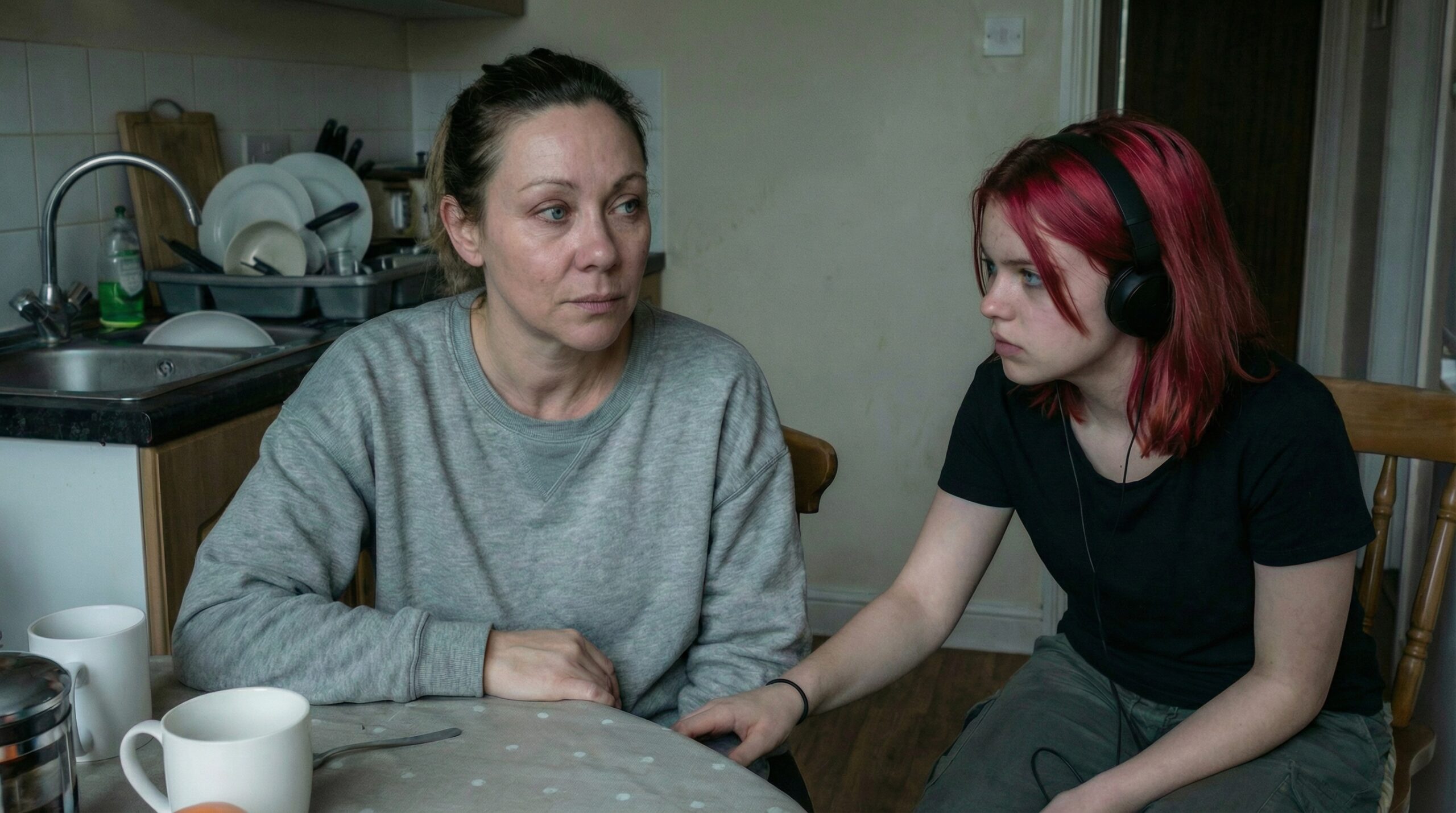
If you’ve been parenting a struggling teenager for months or years—absorbing their anger, weathering their rejection, watching your efforts fail—you may have reached a point where something inside you has gone quiet. Not calm. Just numb. Maybe resentful in a way that feels unfamiliar.
You might be experiencing blocked care. It doesn’t mean you’re a bad parent. It means your nervous system is doing exactly what it was designed to do—protecting you from pain.
What Is Blocked Care?
Blocked care is a neurologically driven response to repeated emotional injury. When a parent is consistently met with hostility, ingratitude, or rejection, the brain activates the same neural pathways as a physical blow. Over time, the system numbs the emotional response—pulling back to prevent further hurt.
“Yelling and rejection from a teen is like an emotional punch in the gut. It literally activates the same neural network. And resentment is an energy force to protect us from more rejection, more hurt, more pain. It’s understandable. But we can work with it.”
Rawly Glass, Director of Family Services
Why Blocked Care Matters
When a parent shuts down, the teen senses it immediately. A parent who has gone numb inadvertently confirms the teen’s deepest fear: I’m not worth the effort. This creates a downward spiral that can undermine treatment gains—because the teen returns home to a parent who is emotionally unavailable.
How to Recognize Blocked Care
- “I’ve tried everything. Nothing works.”
- “I just don’t care anymore.”
- Persistent resentment that doesn’t lift
- Going through the motions without emotional engagement
- Feeling relieved when your teen is away from home
If any of these resonate, you’re experiencing a normal neurological response. The question is how to re-engage.
How to Begin Re-Engaging
- Name it. Recognizing blocked care for what it is—neurological, not moral—reduces the shame.
- Get your own support. A therapist, support group, or Al-Anon can help you process the toll.
- Start small. One warm interaction. One moment of curiosity. Small actions rewire neural pathways over time.
- Expect setbacks. You will fall back. That’s a relapse, not a failure. Name it and try again.
- Go first. As the parent, you lead the emotional direction. Your teen is unlikely to warm up first. But when you show up, you create the conditions for them to follow.
How Muir Wood Supports Parents Through Blocked Care
Blocked care is a regular topic in our family classes and aftercare coaching. We normalize it, explain the neuroscience, and give parents practical strategies for re-engaging. Our parent support groups break the isolation—when you hear another parent say “I felt that too,” something shifts.
Learn more on our family programming page.
2 Simple Ways to Get Started Today
Speak With an
Admissions Coordinator
Verify Your
Insurance Coverage